
Find everything you need to know about research peptides, ordering, shipping, and more.
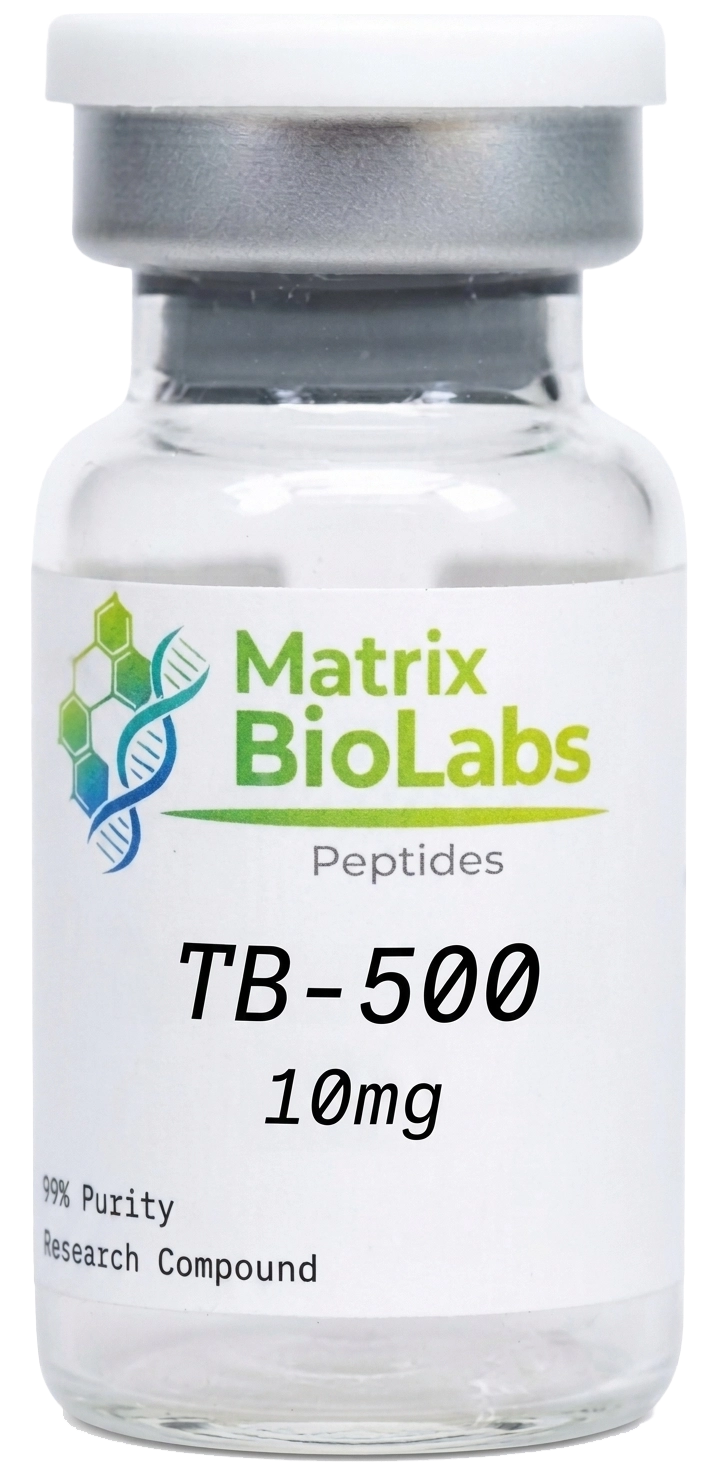
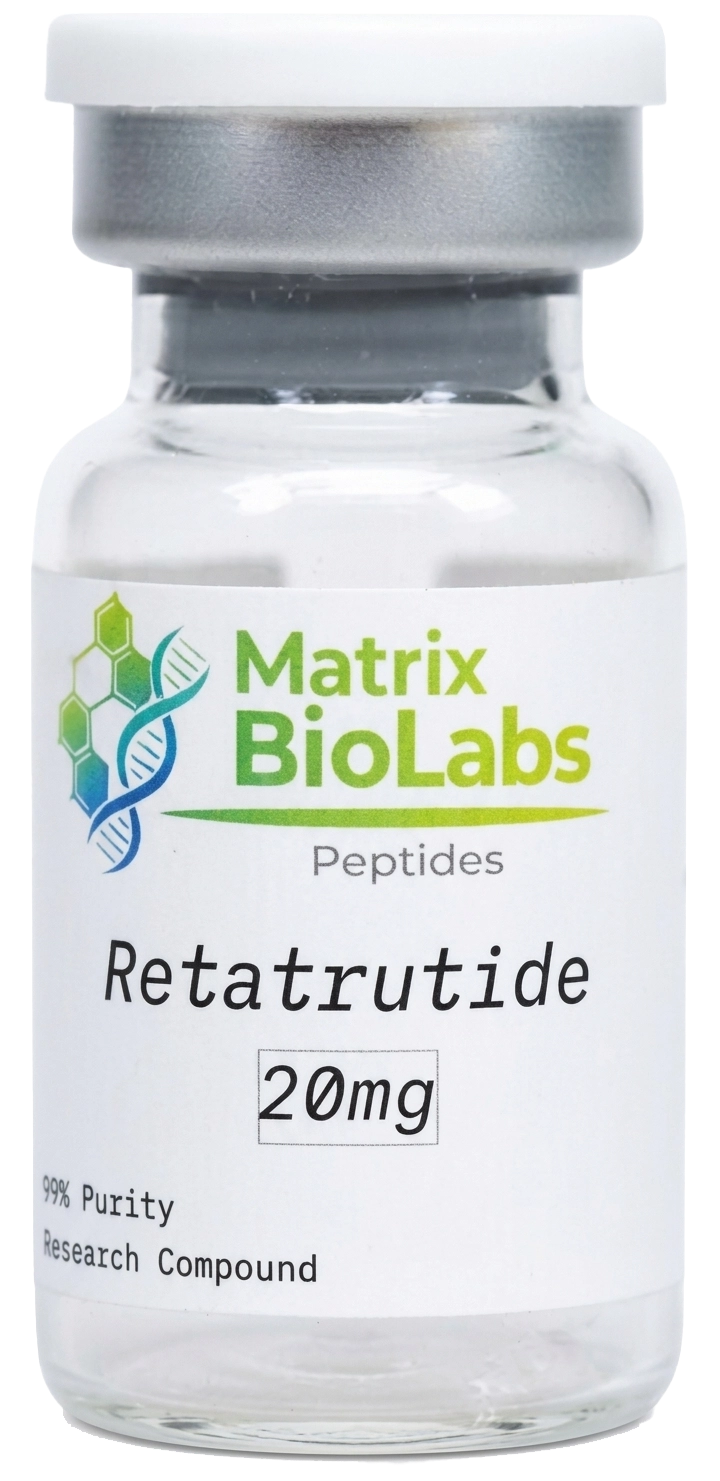
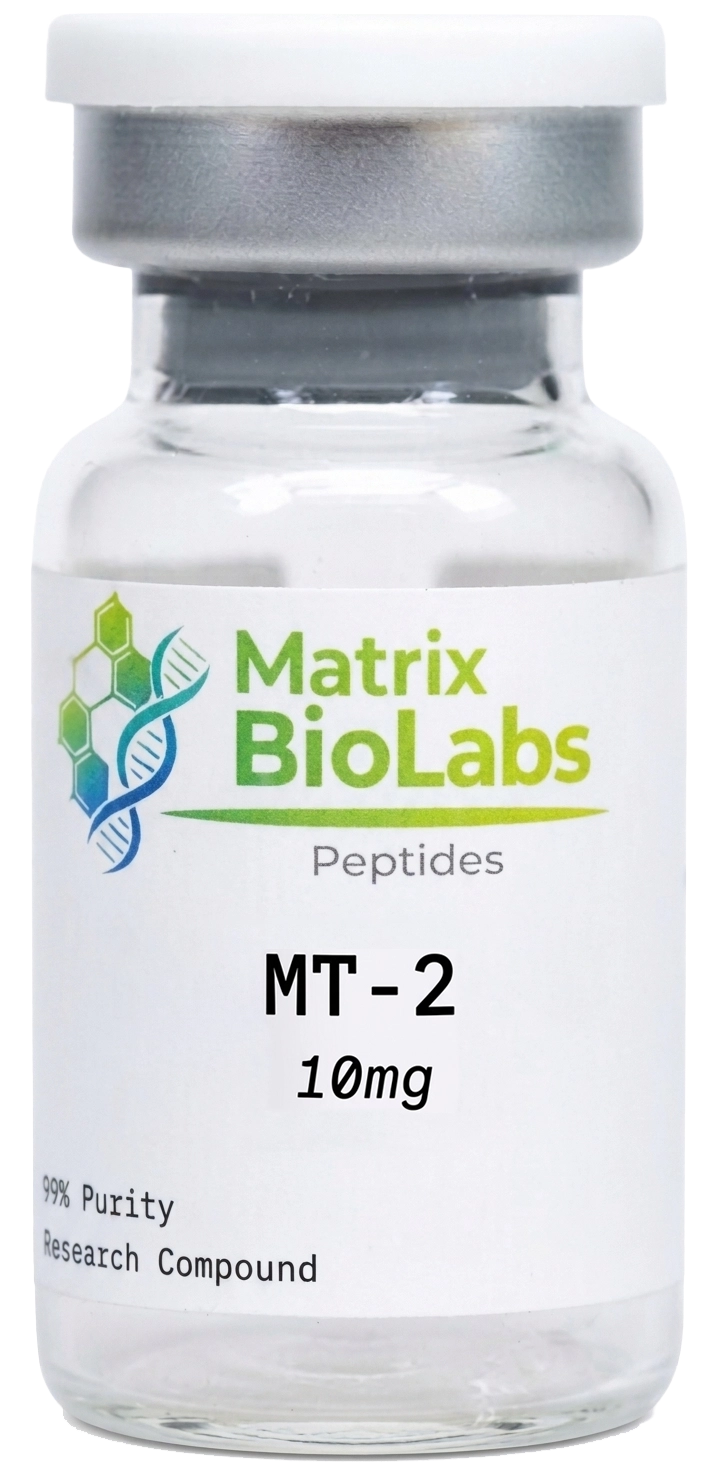
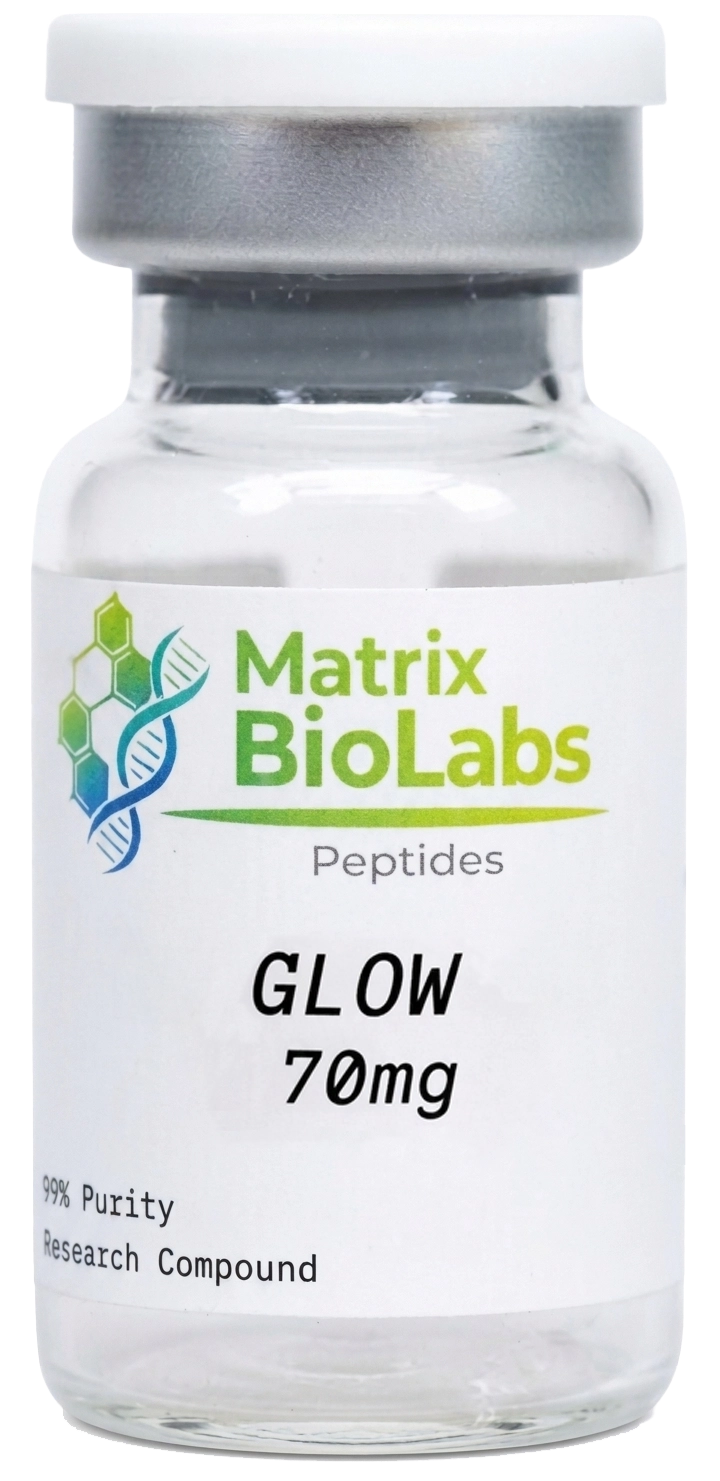
Simply browse our products, select your desired peptides, add them to your cart, and proceed to checkout. We accept all major credit cards and offer secure payment processing. Your order will be processed immediately upon payment confirmation.
A Certificate of Analysis, or CoA, is a laboratory document that verifies the quality and purity of a peptide. It includes important information such as the purity percentage, molecular weight confirmation, batch number, and testing date. This document allows researchers to confirm that the peptide meets the expected specifications before use.
Matrix BioLabs processes and ships orders quickly, with most orders dispatched within one business day. Cold-pack shipping is used when appropriate to help protect temperature-sensitive peptides during transit and ensure they arrive in proper condition.
Matrix BioLabs processes and ships orders quickly, with most orders dispatched within one business day. Cold-pack shipping is used when appropriate to help protect temperature-sensitive peptides during transit and ensure they arrive in proper condition.
Matrix BioLabs peptides are produced to a purity level of 99% or higher. Each batch is tested by independent laboratories in the United States using advanced analytical methods such as HPLC and Mass Spectrometry. These tests confirm the peptide’s identity, purity, and consistency, ensuring reliable research quality.
A Certificate of Analysis, or CoA, is a laboratory document that verifies the quality and purity of a peptide. It includes important information such as the purity percentage, molecular weight confirmation, batch number, and testing date. This document allows researchers to confirm that the peptide meets the expected specifications before use.
Lyophilized peptides come in a freeze-dried powder form and need to be mixed with a sterile solution before research use. The solution should be added carefully into the vial, and the peptide should be allowed to dissolve naturally. Gentle handling helps maintain the stability and integrity of the compound.
Bacteriostatic water is sterile water that contains a small amount of preservative to help prevent bacterial growth. It is commonly used in peptide research because it helps maintain sterility and allows the peptide solution to remain stable for a longer period when stored properly.
After reconstitution, the peptide concentration depends on how much liquid was added to the vial compared to the original amount of peptide. This determines the final concentration, which researchers use to measure accurate amounts for their work. Proper calculation is important for consistency and research accuracy.
Matrix BioLabs peptides are produced to a purity level of 99% or higher. Each batch is tested by independent laboratories in the United States using advanced analytical methods such as HPLC and Mass Spectrometry. These tests confirm the peptide’s identity, purity, and consistency, ensuring reliable research quality.
A Certificate of Analysis (CoA) is an official quality control document issued by an independent lab confirming a product meets its chemical specifications. To read a Matrix BioLabs CoA, focus on three key metrics:
Purity (HPLC): Indicated by the main peak percentage on the chromatogram (graph), ensuring it meets our 99%+ standard.
Mass Identity (MS): Confirms the molecular weight matches the expected theoretical mass of the specific target peptide.
Appearance: Confirms the physical state of the product, typically a white, uniform lyophilized powder.
Reconstitution should be performed with precision under sterile laboratory conditions:
Bacteriostatic water is sterile, pyrogen-free water containing 0.9% benzyl alcohol. The benzyl alcohol acts as a safe preservative that inhibits the growth of bacteria. It is highly recommended for peptide reconstitution because it extends the storage life of reconstituted solutions up to 28 days when refrigerated, whereas standard sterile water allows rapid bacterial contamination after a single use.
Peptide dosing calculations rely entirely on the total milligrams (mg) of the peptide in the vial and the volume of bacteriostatic water added.$$\text{Concentration} = \frac{\text{Total Peptide Mass (mg)}}{\text{Volume of Diluent (mL)}}$$For example, if you dissolve a 5 mg vial of peptide in 2 mL of bacteriostatic water, your final concentration is 2.5 mg/mL. You can then easily map this concentration across standard laboratory syringes to extract the exact volume needed for your research parameters.
At Matrix BioLabs, our commitment to research integrity means we never skip testing. Every batch number on your vial maps directly to a unique, verifiable laboratory report. We do not sell unverified, raw chemical products.
Due to the laboratory-grade nature and strict temperature controls required for peptide preservation, we cannot accept returns once products have left our secure facility. If you encounter any structural issues with your shipment, or if a batch does not align with our published third-party CoA metrics, please contact our support team immediately with your order reference number and testing logs for full laboratory review.
Can't find what you're looking for? Our support team is ready to help with any questions about your research needs.